

Can aluminum extrusions be welded? This is a question I get asked a lot as an aluminum extrusion supplier. And the short answer is yes, they can! But there's a lot more to it than that simple yes, so let's dive into the details.
First off, let's understand what aluminum extrusions are. Aluminum extrusion is a process where aluminum alloy is forced through a die with a specific cross - sectional shape. This results in a long piece of aluminum with a constant profile. These extrusions are used in a wide range of applications, from window frames to industrial machinery parts.
Now, welding aluminum extrusions is possible, but it's not as straightforward as welding some other metals like steel. Aluminum has some unique properties that present challenges during the welding process.
One of the biggest issues is the oxide layer. Aluminum forms a thin, tough oxide layer on its surface when exposed to air. This oxide layer has a much higher melting point than the aluminum itself. If this oxide layer isn't properly removed before welding, it can lead to defects in the weld, like porosity or inclusions. To deal with this, we usually use a process called pre - cleaning. This can involve mechanical methods, like wire brushing, or chemical methods, using solvents or acids to remove the oxide.
Another challenge is the high thermal conductivity of aluminum. Aluminum conducts heat much faster than steel. So when you start welding, the heat spreads quickly, which can make it difficult to maintain a stable weld pool. You need to use a welding process that can deliver a high amount of heat quickly. Processes like TIG (Tungsten Inert Gas) welding and MIG (Metal Inert Gas) welding are commonly used for aluminum extrusions.
TIG welding is a great choice for welding aluminum extrusions, especially when you need high - quality, precise welds. In TIG welding, a non - consumable tungsten electrode is used to create the arc, and a separate filler rod is added to the weld pool. This gives you a lot of control over the welding process, allowing you to create clean, precise welds. However, it's a relatively slow process and requires a high level of skill.
MIG welding, on the other hand, is faster. In MIG welding, a consumable wire electrode is fed through the welding gun, and an inert gas is used to protect the weld pool from oxidation. MIG welding is more suitable for larger projects where speed is important, but it may not provide the same level of precision as TIG welding.
The type of aluminum alloy used in the extrusion also matters. Different aluminum alloys have different welding characteristics. Some alloys, like 6061 and 6063, are commonly used in extrusions and are relatively easy to weld. They have good weldability and can be welded using both TIG and MIG processes. However, alloys with higher levels of magnesium or copper may be more difficult to weld and may require special techniques or filler materials.

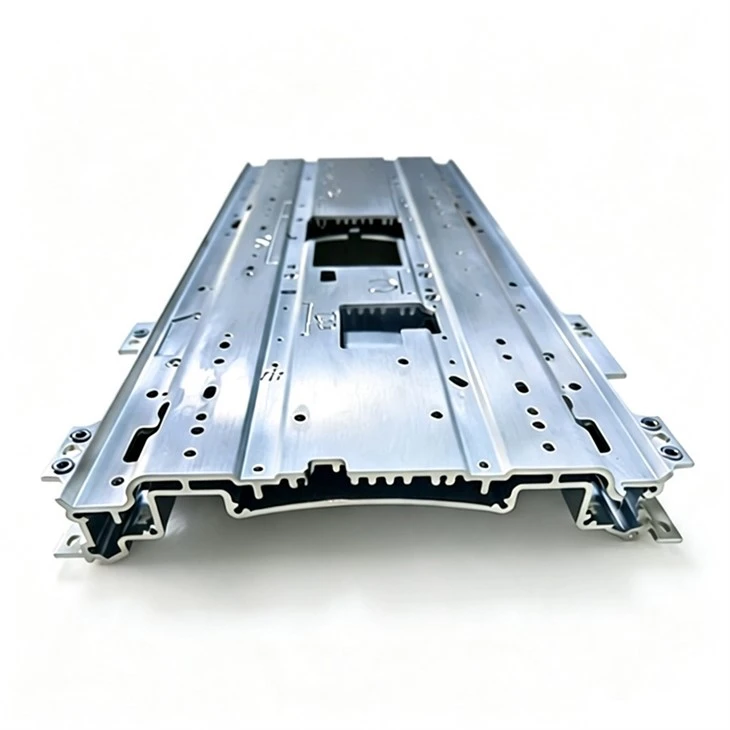
When welding aluminum extrusions, the design of the extrusion can also impact the welding process. Complex Aluminum Profiles with intricate shapes or thin walls can be more challenging to weld. The heat from the welding process can cause distortion in thin - walled extrusions, and complex shapes may make it difficult to access the areas that need to be welded.
Now, let's talk about the benefits of welding aluminum extrusions. Welding allows you to join different extrusions together to create more complex structures. This is incredibly useful in Aluminum Frame Fabrication. You can create custom - sized frames, enclosures, or supports by welding individual extrusions. Welding also provides a strong and permanent joint, which is important for applications where the structure needs to withstand stress or load.
If you're considering welding aluminum extrusions for your project, there are a few things you should keep in mind. First, make sure you have the right equipment and trained personnel. Welding aluminum requires specialized equipment and skills, so it's not something you can just do with a basic welding setup. Second, plan your welding process carefully. Consider the type of alloy, the design of the extrusion, and the requirements of your project. Third, test your welds. Before you start a large - scale project, it's a good idea to do some test welds to ensure that the welds meet your quality standards.
As an aluminum extrusion supplier, I've seen firsthand the many successful projects that use welded aluminum extrusions. Whether it's a small DIY project or a large industrial application, welding can be a great way to work with aluminum extrusions. If you're in the market for high - quality aluminum extrusions for your welding project, I'd be more than happy to help you find the right products. We have a wide range of extrusion profiles and alloys to choose from, and our team can provide you with expert advice on welding and working with aluminum extrusions.
If you're interested in starting a project that involves aluminum extrusions and welding, don't hesitate to reach out. We can discuss your specific needs, provide samples, and help you get the best results for your project. Whether you're a hobbyist or a professional in the industry, we're here to support you every step of the way.
References
- "Aluminum Welding Handbook" - A comprehensive guide on the techniques and challenges of welding aluminum.
- Industry research papers on aluminum extrusion and welding processes from leading metalworking institutions.