

If you’ve worked in manufacturing long enough, you know that injection molding isn’t just a production process—it’s the backbone of almost every industry that makes physical goods. As an injection molding supplier, I’ve spent thousands of hours in our shop floor, talking to product designers, engineers, and clients ranging from medical device startups to automotive giants, and one question comes up constantly: “What’s next for injection molding?” The truth is, the future of this 150-year-old technology isn’t just about bigger machines or faster cycles—it’s about smarter, more sustainable, and more flexible systems that solve problems we didn’t even know we’d face a decade ago.
Let’s start with the biggest shift I’m seeing right now: the push for end-to-end sustainability, from raw material sourcing to post-production. For years, injection molding relied heavily on virgin plastic, with most scrap from rejected parts and runner systems ending up in landfills. Today, clients are demanding more, and regulations in markets like the EU and California are only making that pressure higher. We’ve already invested in systems that grind and reprocess our own production scrap, but that’s just the start. The next trend here is advanced circular injection molding—where manufacturers design parts from the very beginning to be recyclable, not just functional. That means avoiding multi-material combinations that can’t be separated, choosing polymers that are compatible with chemical recycling, and even integrating recycled content at rates that meet or exceed industry standards without sacrificing part quality. For example, our team recently worked on a consumer electronics case where we swapped virgin ABS for 30% post-consumer recycled ABS, adjusted our mold temperature and cooling times to maintain structural integrity, and delivered the part 5% cheaper than the client’s original virgin material quote. This isn’t a gimmick—it’s becoming table stakes. Companies that don’t adapt will get left behind as buyers prioritize eco-friendly supply chains.
Another huge trend is the evolution of specialized molding processes that unlock new design possibilities. Ten years ago, overmolding was a niche process for tool handles and medical devices, but today it’s being used in everything from wearable fitness trackers to automotive battery components. The ability to mold two different materials—like a rigid plastic core and a soft, grippy TPE overmold—lets designers add functionality without adding assembly steps. What’s more, recent advancements in overmolding technology have eliminated common pain points like material delamination and cycle time delays. If you’re looking to explore this, our plastic injection overmolding page has detailed case studies on how we’ve helped clients transition from two-part assembly to single-piece overmolded parts, cutting labor costs and improving part consistency overnight. But overmolding isn’t the only specialized process growing. Insert molding, where metal or other components are placed in a mold before plastic is injected around them, is also expanding rapidly. Think of the metal threaded inserts in a smartphone case or the stainless steel pins in a medical surgical tool. Modern injection molding with metal inserts uses precision robotics to place components with sub-millimeter accuracy, eliminating human error and reducing scrap rates by up to 15% compared to manual insertion. This is critical for industries like automotive and aerospace, where even a single misaligned insert can lead to a part failure.
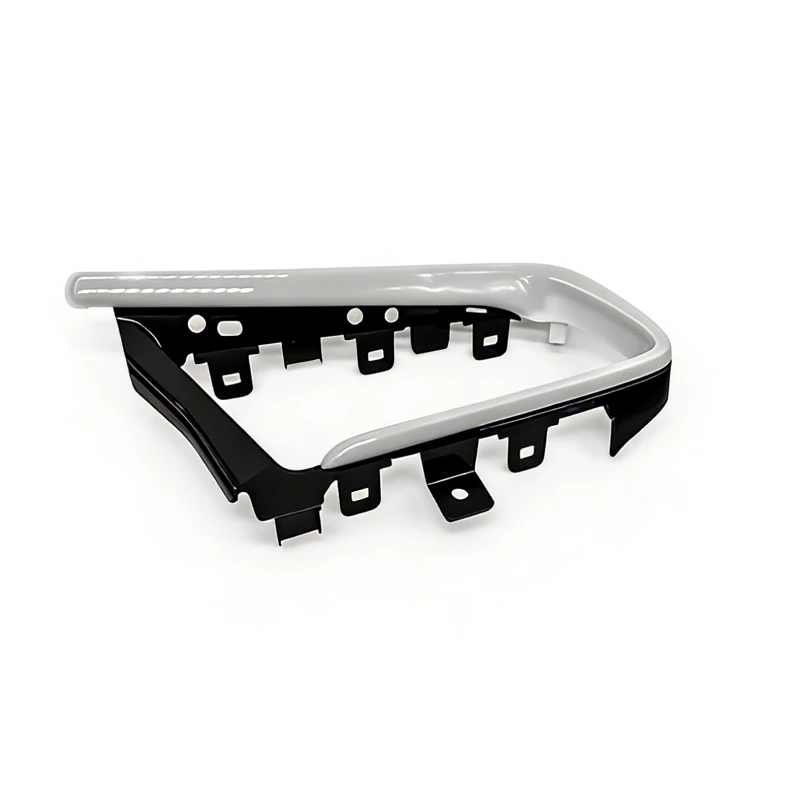
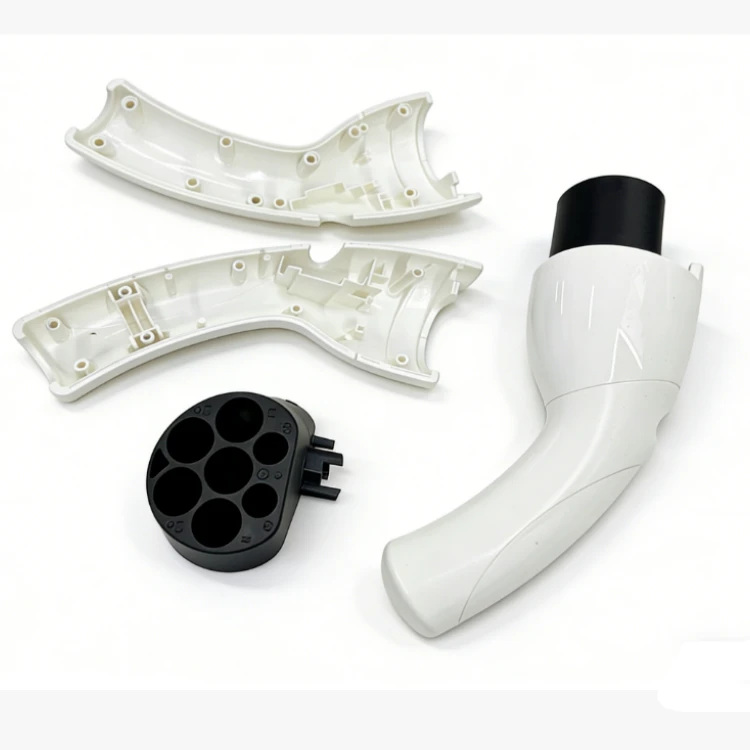
Speed to market has always been important, but today it’s non-negotiable. New product lifecycles are shrinking from 5 years to 18 months in many sectors, which means injection molding teams can’t wait 6–12 weeks for a hard tool to be built. That’s where rapid prototype molding and soft tooling come in, two processes that have become game-changers for early-stage product development. Rapid prototype molding uses low-cost tooling—often made from aluminum or even 3D-printed materials—to produce functional parts in days, not weeks. This lets clients test form, fit, and function before committing to a full production hard tool, saving them hundreds of thousands of dollars in wasted costs. For startups testing a new medical device or a consumer brand launching a limited-edition product, rapid prototype molding is often the difference between a great idea that gets shelved and a product that hits shelves on time. But even beyond prototyping, soft tooling injection molding has evolved to support small-batch production runs of up to 10,000 parts, perfect for niche markets or products in early launch phases. Unlike traditional hard steel tools, soft tools are cheaper to produce and can be modified quickly if a design needs tweaks, making them ideal for companies that want to test market demand before scaling up to full production.
Now, let’s talk about the smart side of injection molding—Industry 4.0 integration, which is transforming how we run our factories and support our clients. For decades, injection molding machines were basically big, dumb hotplates that injected plastic into a mold, with little data to track performance. Today, every machine in our shop is connected to a central dashboard that collects data on cycle time, mold temperature, plastic viscosity, and even tiny variations in part weight. This real-time data lets us predict maintenance before a machine breaks, reduce cycle times by up to 10%, and catch defects before they leave the production line. Last year, we used this data to identify a subtle temperature fluctuation in a mold that was causing 2% of parts to have surface defects—something a human operator would have missed until a full batch was finished. We fixed it in 2 hours, avoiding $12,000 in scrap and keeping our client’s production on schedule. But Industry 4.0 isn’t just for internal operations; it’s also giving clients unprecedented visibility into their order. Many of our customers can now log into a portal to track their parts in real time, see when their mold is being maintained, and even run virtual simulations of part performance before production starts. That level of transparency was unheard of just 5 years ago, and it’s raising expectations across the board.
Of course, with these trends come challenges, and I’ll be honest about them. The shift to sustainable materials means working with new polymers that have different processing requirements—some are more brittle, others have higher shrinkage rates, and not every mold can handle them without modifications. Integrating Industry 4.0 requires upfront investment in hardware, software, and staff training, which can be a barrier for smaller companies. And specialized processes like overmolding and insert molding demand higher skill levels from mold designers and machine operators, which means we’ve had to invest heavily in training our team over the last few years. But these challenges are solvable, and the payoff is huge. Clients that invest in these trends early are not only getting better parts and lower costs long-term, they’re also future-proofing their products against upcoming regulations and consumer demands.
So, what does this mean for you, whether you’re a product designer, engineer, or procurement manager looking for an injection molding partner? It means you need a supplier that doesn’t just run parts—one that stays on top of these trends, has the expertise to adapt to new materials and processes, and can scale with your business from prototype to full production. Whether you’re testing a new design with rapid prototype molding, looking to cut assembly costs with plastic injection overmolding, or need consistent, precise parts with metal inserts, having a partner that understands both the latest technology and the real-world needs of your industry makes all the difference. The future of injection molding isn’t just about the processes themselves—it’s about partnering with someone who can turn your ideas into production-ready parts efficiently, sustainably, and reliably.
If you’re ready to learn more about how these trends can work for your next project, we’d love to discuss your needs in more detail. Our team has experience across every major industry, from medical and automotive to consumer electronics and industrial goods, and we’re here to help you navigate the latest advancements in injection molding.
References
- International Organization for Standardization (ISO). (2023). Circular Economy Standards for Plastics Manufacturing.
- Society of Plastics Engineers (SPE). (2024). Injection Molding Industry Trends Report.
- McKinsey & Company. (2023). The Future of Advanced Manufacturing: Injection Molding 2030.
- U.S. Environmental Protection Agency (EPA). (2023). Sustainable Materials Management: Plastics and Packaging.
- Automotive Industry Action Group (AIAG). (2024). Quality Standards for Insert and Overmolding Processes.